Lily Flowers. Watercolor Cliparts
First Impressions: A Soft, Elegant Visual Language
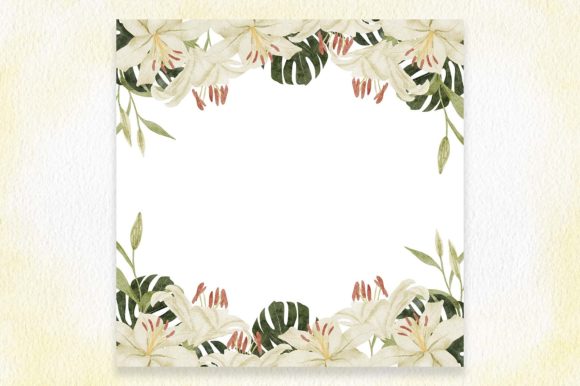
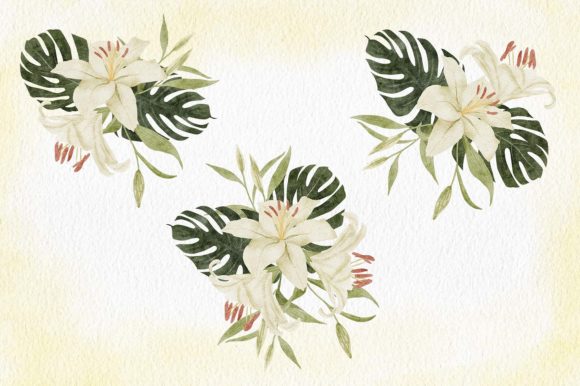
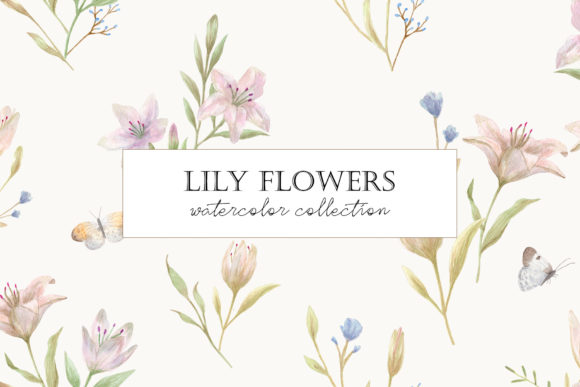
The Lily Flowers. Watercolor Cliparts immediately evoke a sense of calm and refinement. The soft, hand-drawn style suggests a lifestyle or creative niche, making it ideal for blogs focused on wellness, home decor, floral arrangements, or personal development. This graphic design asset feels both artistic and approachable, creating an editorial mood that appeals to readers seeking inspiration rather than information.
Its gentle lines and pastel tones lend themselves well to content that needs a touch of elegance without being overly formal. Whether used in a blog post about self-care or a digital guide on seasonal decorating, the illustrations support a visual language that feels authentic and inviting.
Real-World Publishing Use Cases
Lily Flowers. Watercolor Cliparts can be a powerful tool in various content publishing workflows. As a blog graphic, it enhances featured images with a unique visual identity that stands out from generic stock photos. When used in Pinterest pins, the soft aesthetic draws attention and encourages engagement, making it a great choice for content marketers looking to boost traffic.
In editorial design, these illustrations add a refined touch to article headers, website banners, and newsletter graphics. They also work well as part of a digital product, such as printable designs or Canva templates, where users seek customizable, high-quality visuals for their projects.
For affiliate marketing, the cliparts can be integrated into social media graphics or digital ads to create a cohesive brand image that aligns with the content's tone. In content marketing, they help reinforce brand identity, especially when paired with a consistent color scheme and typography.
Boosting Content Performance with Visual Hierarchy
One of the most valuable aspects of Lily Flowers. Watercolor Cliparts is its ability to improve visual hierarchy. When placed strategically, these illustrations guide the reader’s eye through the content, making it easier to digest complex information or follow a narrative flow.
As a lead magnet or downloadable resource, the cliparts can be used to create visually appealing worksheets, eBook covers, or printables that enhance user experience. Their clean, modern design supports stronger first impressions, which are crucial for click-through rates and reader retention.
By maintaining a consistent visual theme across blog posts, newsletters, and social media, Lily Flowers. Watercolor Cliparts helps build trust with the audience. Readers begin to associate the brand with quality and professionalism, which is essential for long-term engagement and loyalty.
Where It Shines: Editorial and Digital Design Applications
This graphic design asset excels in hero images, article thumbnails, and Pinterest pins—where strong visuals make a lasting impression. As a website header, it adds a personal touch that differentiates the site from competitors. In editorial layouts, it serves as a subtle but effective accent that elevates the overall design.
For content upgrades and downloadable resources, the cliparts offer a polished look that enhances the perceived value of the digital guide or worksheet. They also work well as category visuals, helping readers quickly identify the type of content they’re browsing.
In newsletter headers and social media previews, the illustrations contribute to a cohesive brand identity, ensuring that the content feels unified across all platforms.
Where to Use It Carefully: Limitations and Considerations
While Lily Flowers. Watercolor Cliparts is versatile, it may not be suitable for every use case. On small mobile thumbnails, the intricate details might get lost, reducing the visual impact. In text-heavy blog images, the illustration could compete with the content, making it harder for readers to focus on the message.
Low-contrast backgrounds or busy layouts may dilute the clarity of the design, so careful placement is necessary. For serious professional niches or corporate content, the soft, decorative style might not align with the desired tone. In minimalist web design systems, the cliparts could feel out of place if not balanced properly.
It’s important to test the asset in real publishing scenarios, such as within a blog layout or alongside different font styles, to ensure it complements the overall design.
Publisher Notes: Testing and Optimization Tips
Before finalizing any use of Lily Flowers. Watercolor Cliparts, publishers should test it on desktop and mobile screens to ensure readability and visual appeal. Check how it looks as a thumbnail, and preview it inside a real blog layout to assess its impact.
Test the asset with headline text to see how it interacts with different fonts—serif, sans serif, script, handwritten, or display styles. Evaluate contrast and readability, and consider how it appears in black and white. Also, review file size for web performance and compress images appropriately to maintain fast loading times.
Finally, confirm the commercial license before using the cliparts on monetized websites, affiliate pages, or paid content products. This ensures compliance and avoids potential legal issues.
Conclusion: A Versatile Asset for Creative Publishing
Lily Flowers. Watercolor Cliparts is more than just a set of illustrations—it’s a valuable design asset that can elevate a wide range of content publishing projects. From blog graphics to digital guides, it offers a refined aesthetic that supports editorial quality, visual hierarchy, and brand identity.
Whether used in a small business branding project or a large-scale content marketing campaign, this clipart collection provides a flexible and stylish solution for creators who want to enhance their visual storytelling. With thoughtful application, it can transform the look and feel of a website, making it more engaging, professional, and memorable for readers.